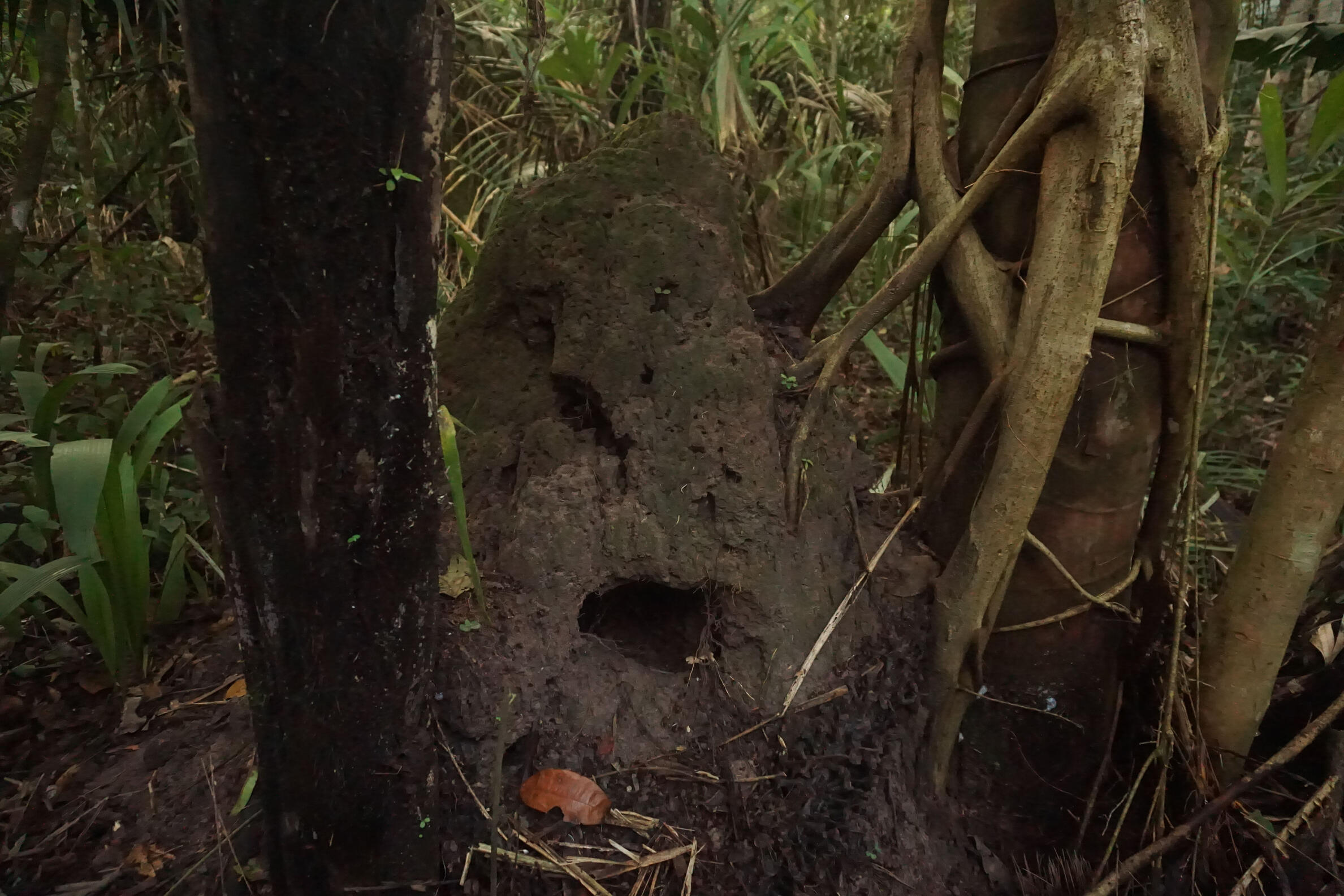
Synopsis
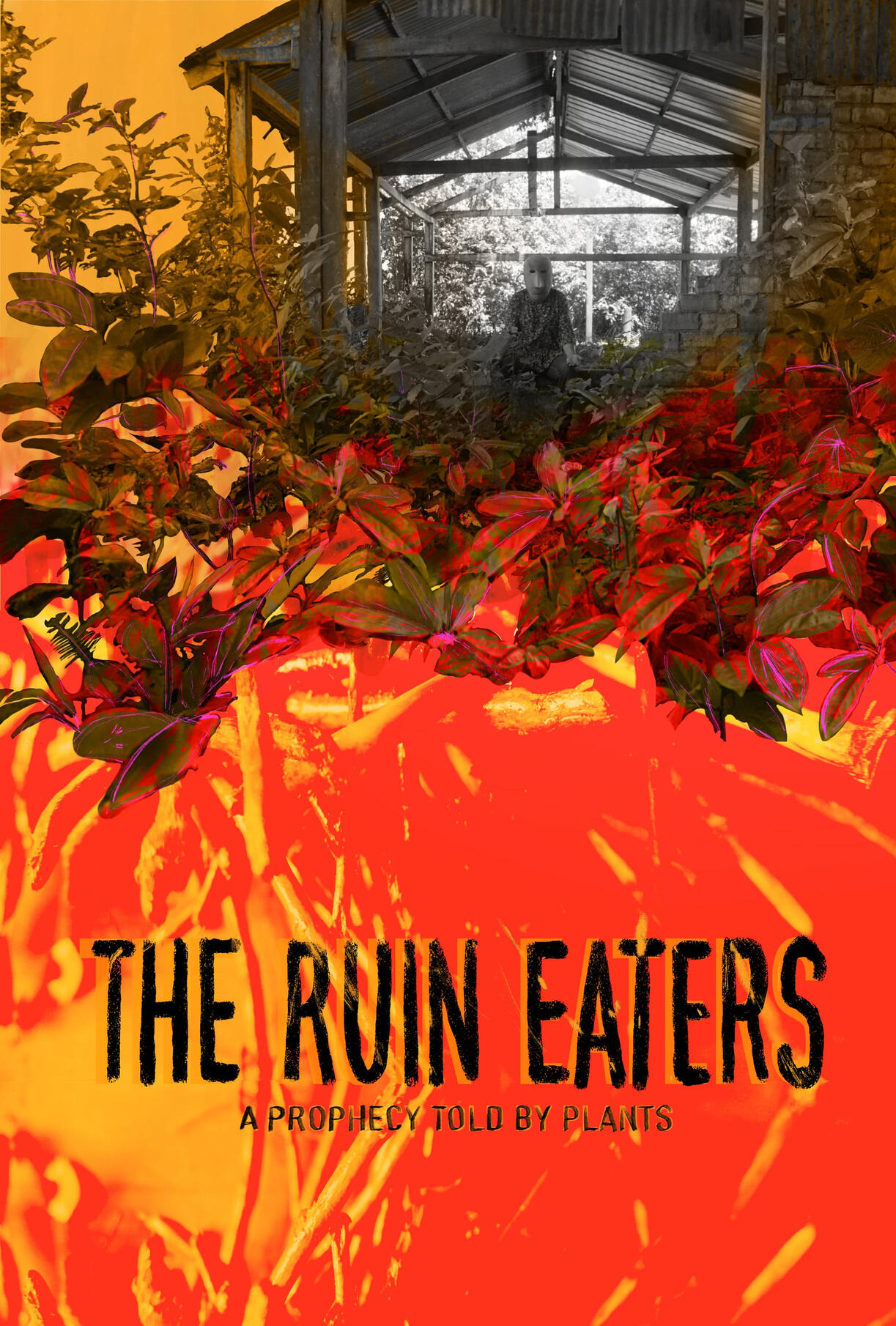
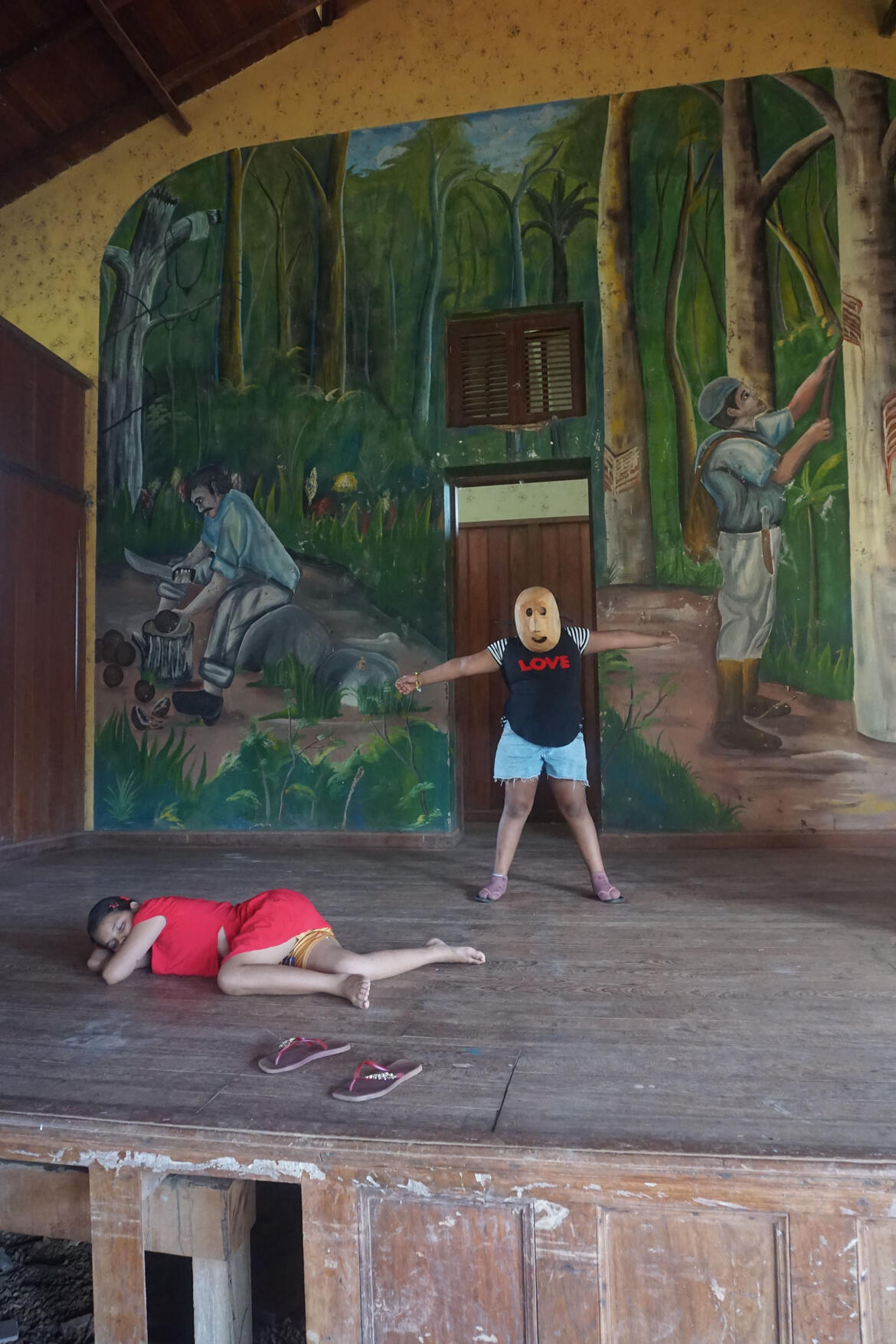
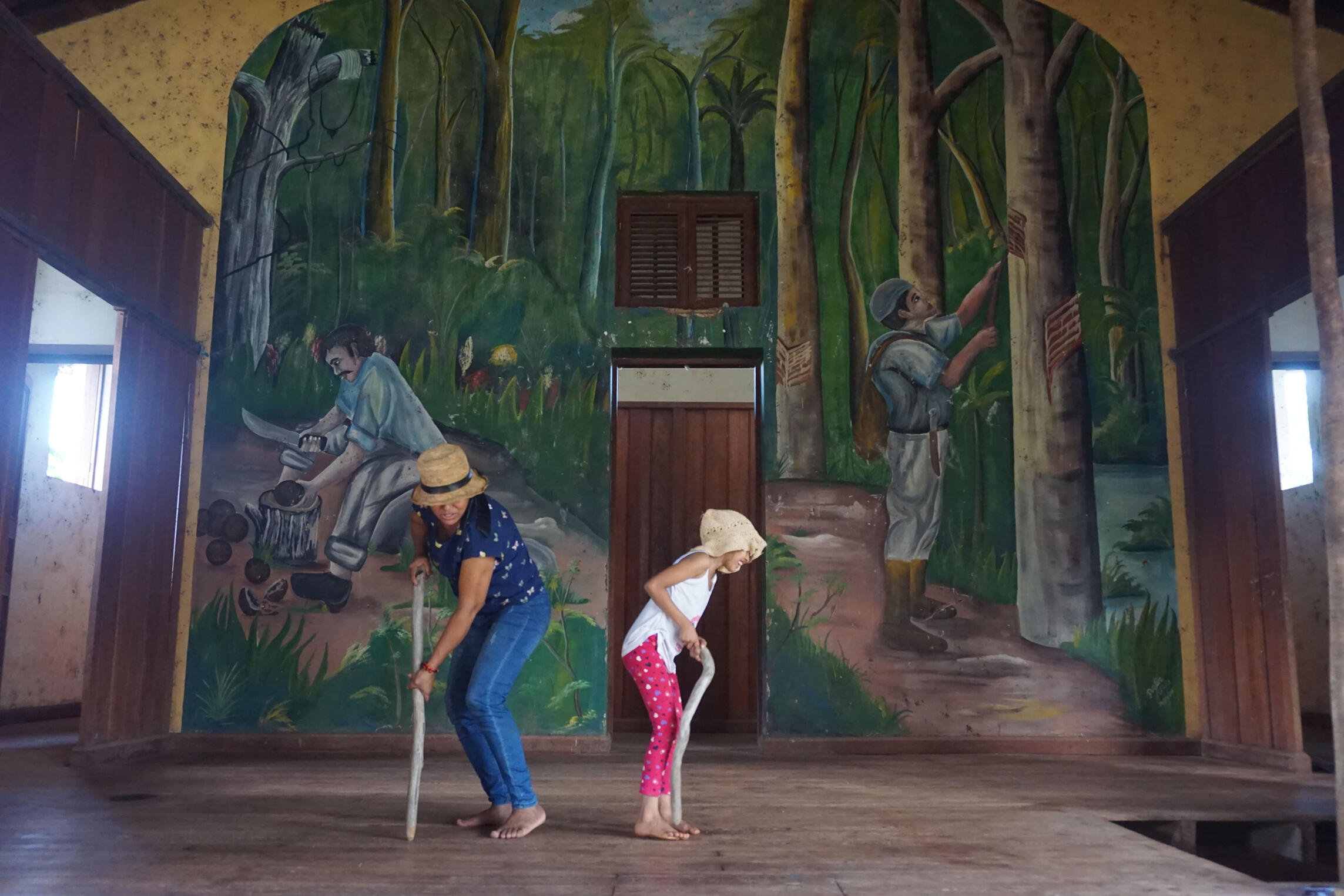
A young girl still dreams of a past reigned by terror. A caring spirit comes to her aid, teaching her to lull and soothe her nightmares through the gift of tongues, absurd songs, and the river’s mud. A healing woman talks with plants to prepare remedies to be the holy water in which babies are immersed: so that they do not forget what the medicine of the rainforest smells like. Her hands work to shake loose the threads of dispossession, trying to make life run freely, abundant as the blood once flowed from the rubber trees, silent witnesses. This unfolds among the ruins of Casa Suárez, the largest rubber enterprise in the Bolivian Amazon: the theater, hospital, mansion, and workers’ houses have become homes to bats, wasps, vultures, spiders, plants—and to humans and their stories as well.
Location
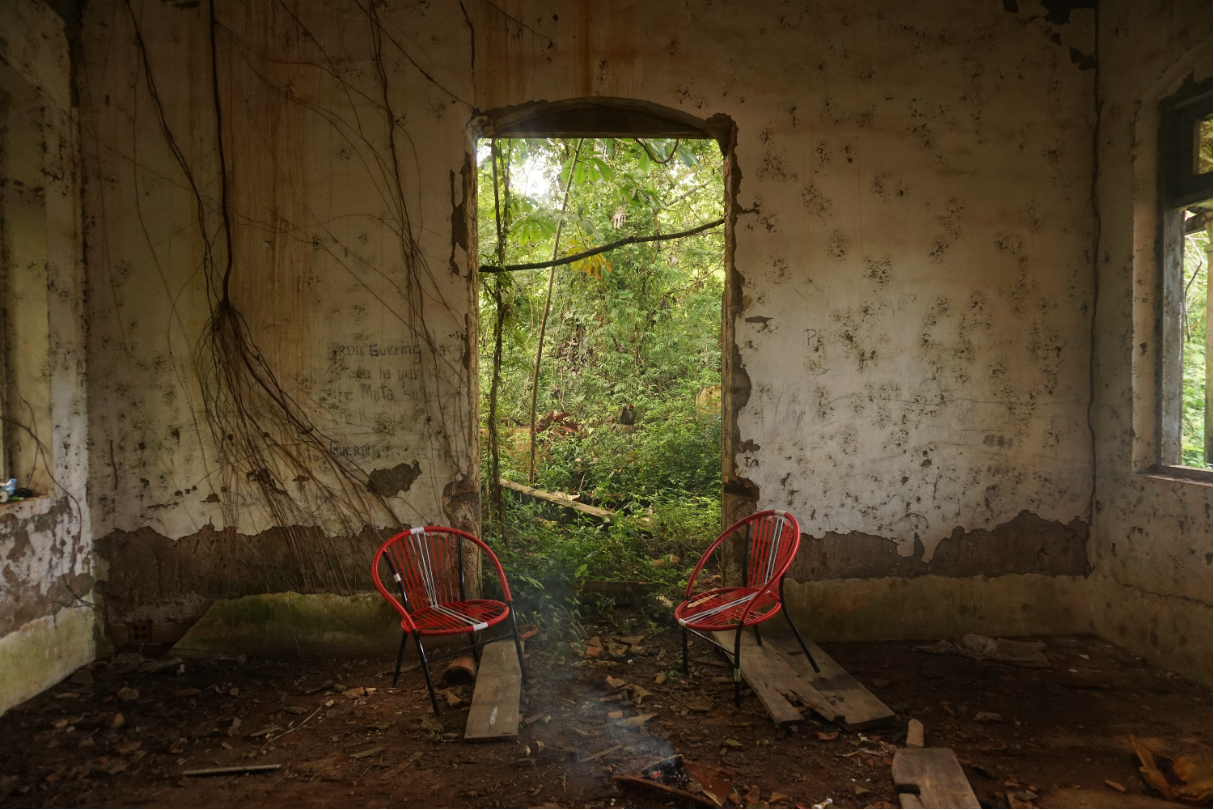
This film takes place in Cachuela Esperanza, a gold mining town in the Bolivian Amazon with constant flows of migration. Located on the banks of the Beni River, the village is marked by its cachuelas—massive rocks rising from the river’s current—and by a forest crisscrossed by streams. Cachuela Esperanza was once the center of operations of Casa Suárez, Bolivia’s largest rubber extraction and export company.Through multiple written and oral accounts, there is evidence of slavery conditions that supported the economic mission of the company. Despite these facts, in Bolivia there is a public and institutional narrative that considers this past as the symbol of progress and civilization, whose violent visions are still shaping collective political desires in the region.
Teaser

Feature Film in Development
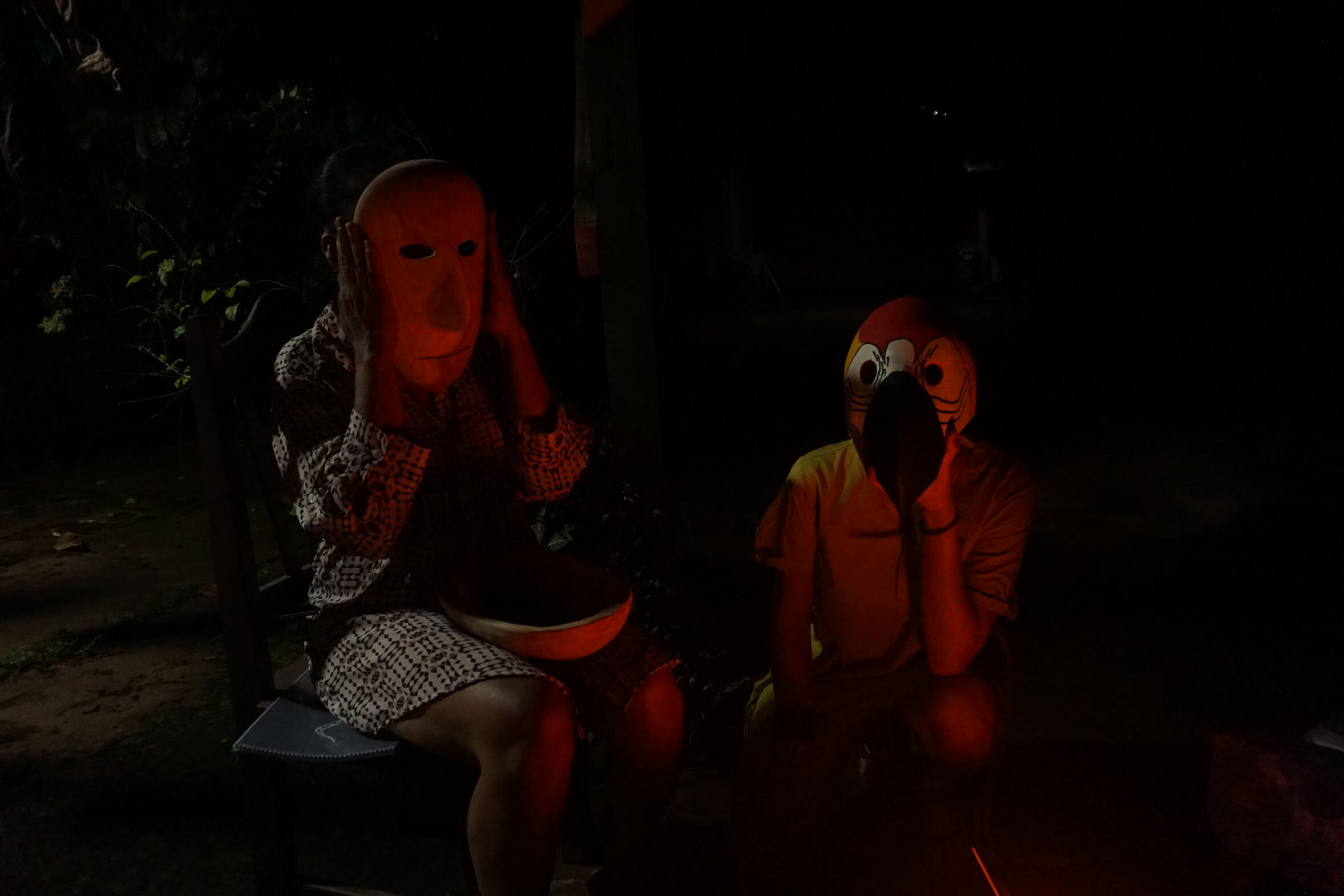
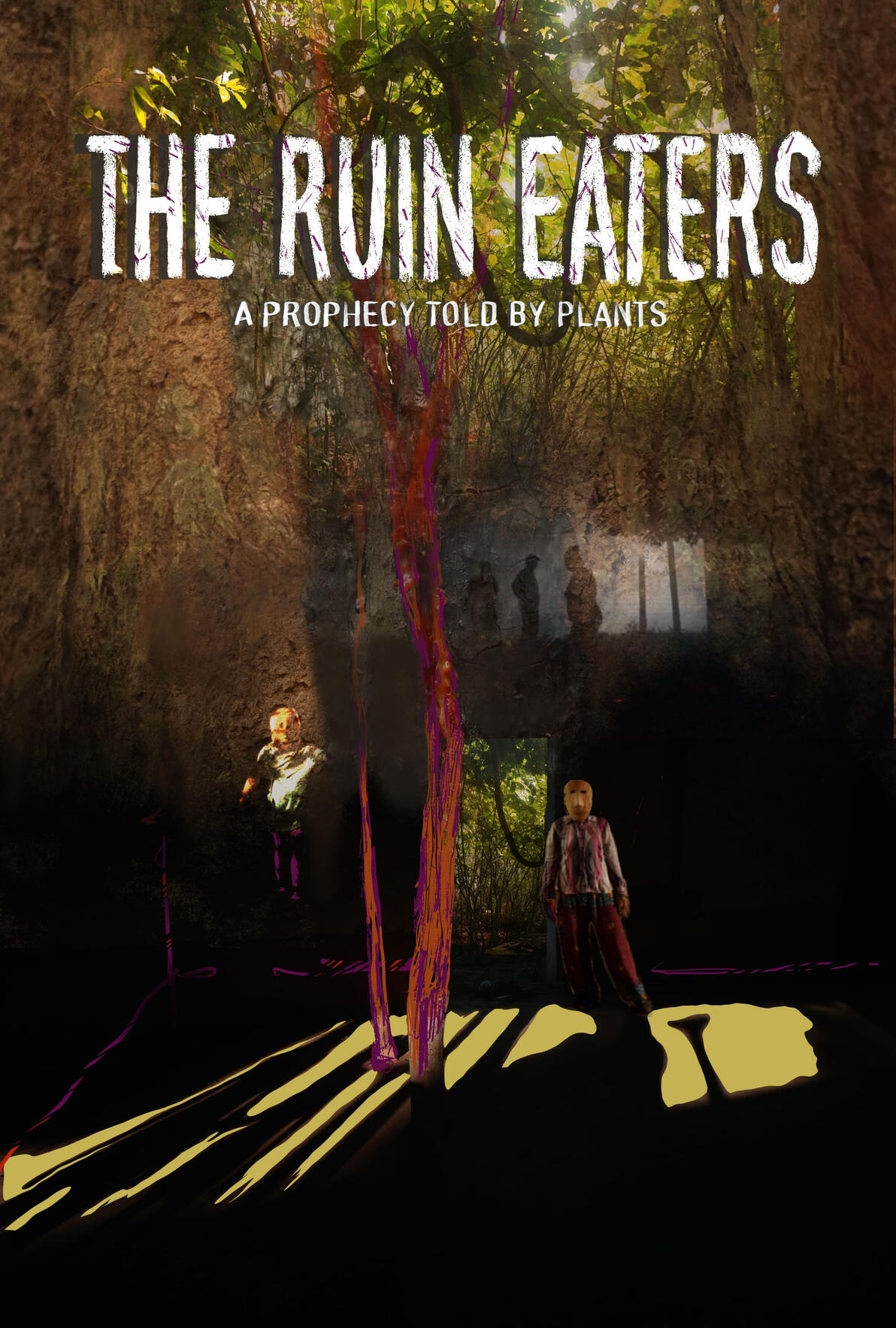
This teaser brings together the footage created during the research carried out for the film. It offers a glimpse into the creative process, cinematic universe and the narrative we are working for the film.In this sense, the images do not represent footage that has already been created for the final film. We have been developing this project over the course of three years of research.It is a fictional film.
Our Team
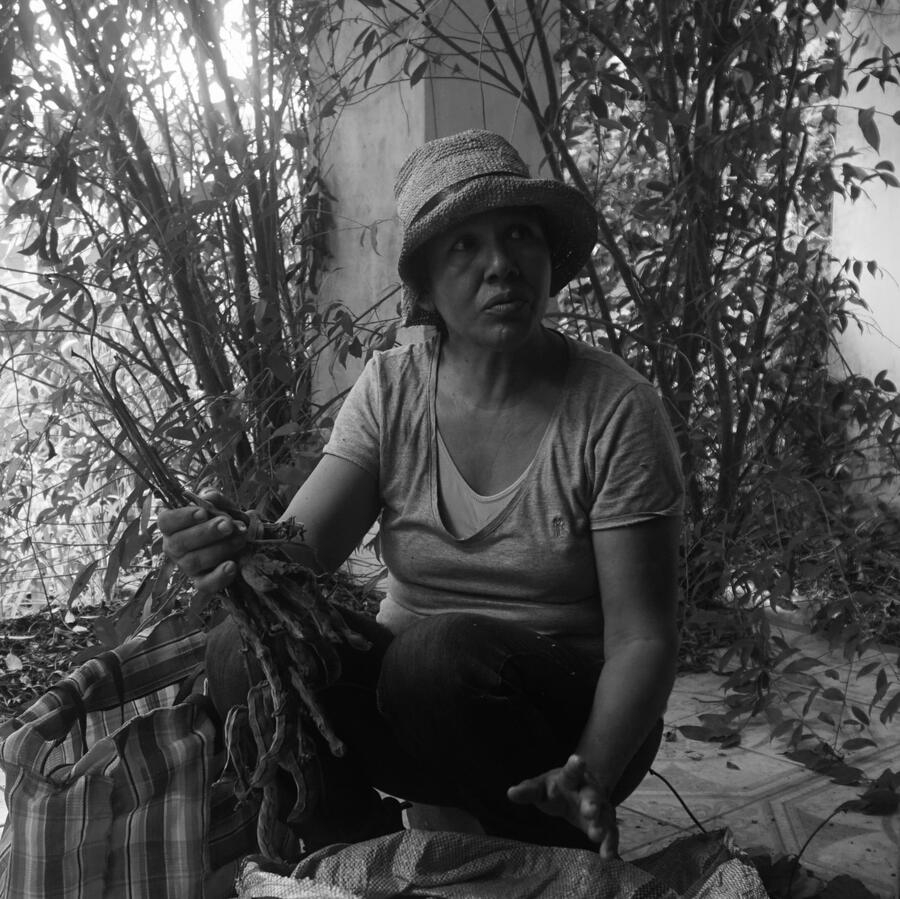
Zandra Loayza Pereira
Amazonian artisan and community leader from the Beni region. Through her work with seeds, plants, and medicines, she has become a teacher and facilitator of spaces for learning traditional crafts and collective healing among women. Her life journey demonstrates how plant-based knowledge is a form of resistance and territorial wisdom in the midst of damaged worlds. She has led numerous workshops on traditional crafts, sexuality and gender, and women’s rights. She is a member of the Amazonian Women Artisans’ Association Semillas de Oro, based in the city of Riberalta. Zandra safeguards knowledge grounded in respect, inherited through her Indigenous Moxeño-Trinitario mother, who passed on teachings about health and reciprocity.

Ara Goudsmit Lambertín
Ara is a Bolivian researcher, writer and artist whose interdisciplinary practice brings together critical pedagogy and creative research, positioning land, imagination, and memory as schools in their own right. She has worked as a journalist, editor of art books, exhibition catalogues and journals, and pedagogical researcher with NGOs and Indigenous organizations in Bolivia, focusing on environmental and territorial education. She has received journalism grants from the Gabo Foundation, Climate Tracker, Fundación para el Periodismo, and others, and won the “Gustavo Rodríguez Ostria Literary Essay Prize” for Comer Ruina, a work exploring the arts and politics of memory surrounding rubber extraction in the Bolivian Amazon. Her curatorial practice has explored colonial worldviews imposed on the Amazon, ethical relationships between humans and animals, and filmmaking as an ethical-political collective strategy. She is a member of Jasy Renyhê and the Laboratory for Ontological and Multispecies Studies at the Universidad Mayor de San Andrés. She holds a BA in Political Science from Universidad de los Andes, Colombia, and an MPhil in Anthropocene Studies from the University of Cambridge. Her first film, a documentary-poem co-directed with the Amazonian Women Artisans’ Association Semillas de Oro, is currently in post-production.
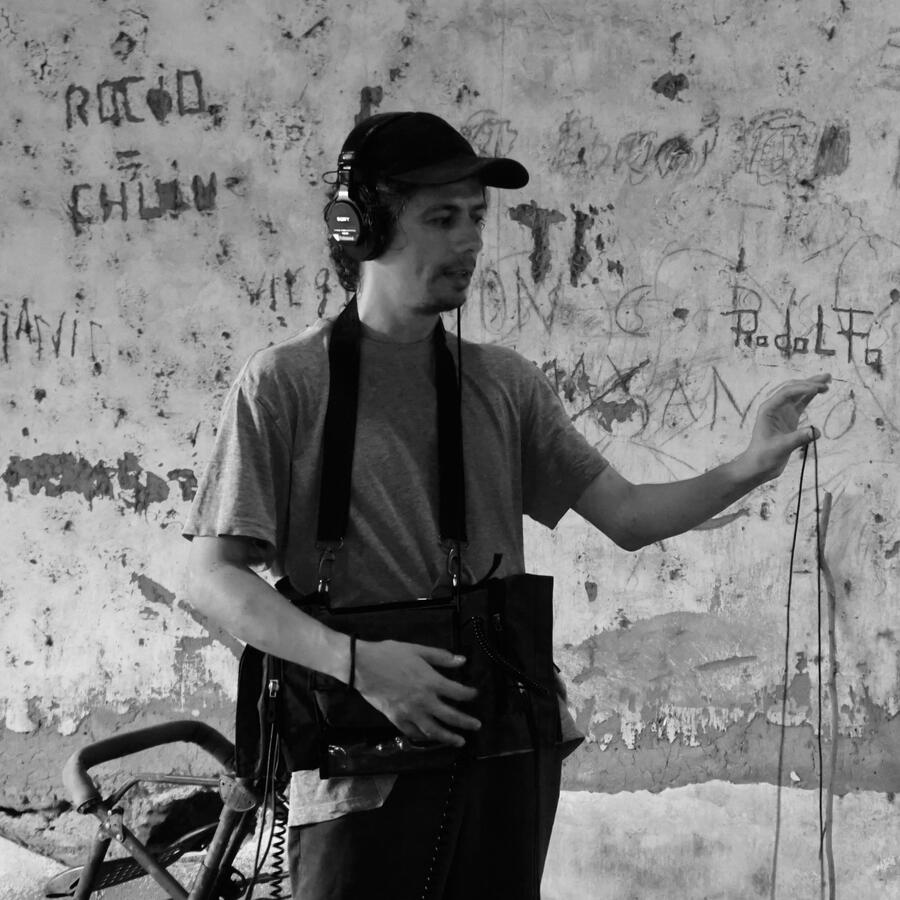
Ariel Byía
Migrant, artist, and independent researcher, Ariel has been shaped by diverse learning communities throughout Collasuyo, alongside teachers, thinkers, walkers, and artisans. Born in Chile and now based in La Paz, Bolivia, his work explores the acoustic and spiritual technologies of air, conversation, and relational processes of sound through a practice rooted in collaboration and handcraft. He is a co-founder of Mutual de Sonidos Comunes and a member of the Laboratory for Ontological and Multispecies Studies at the Universidad Mayor de San Andrés in La Paz. His works and collaborations have been presented at the 59th Venice Biennale (Italy), SAVVY Contemporary (Germany), Het Nieuwe Instituut (the Netherlands), the International Festival of Electronic Arts and Video (Mexico), Liquid Architecture (Australia), The New Museum (USA), among others.
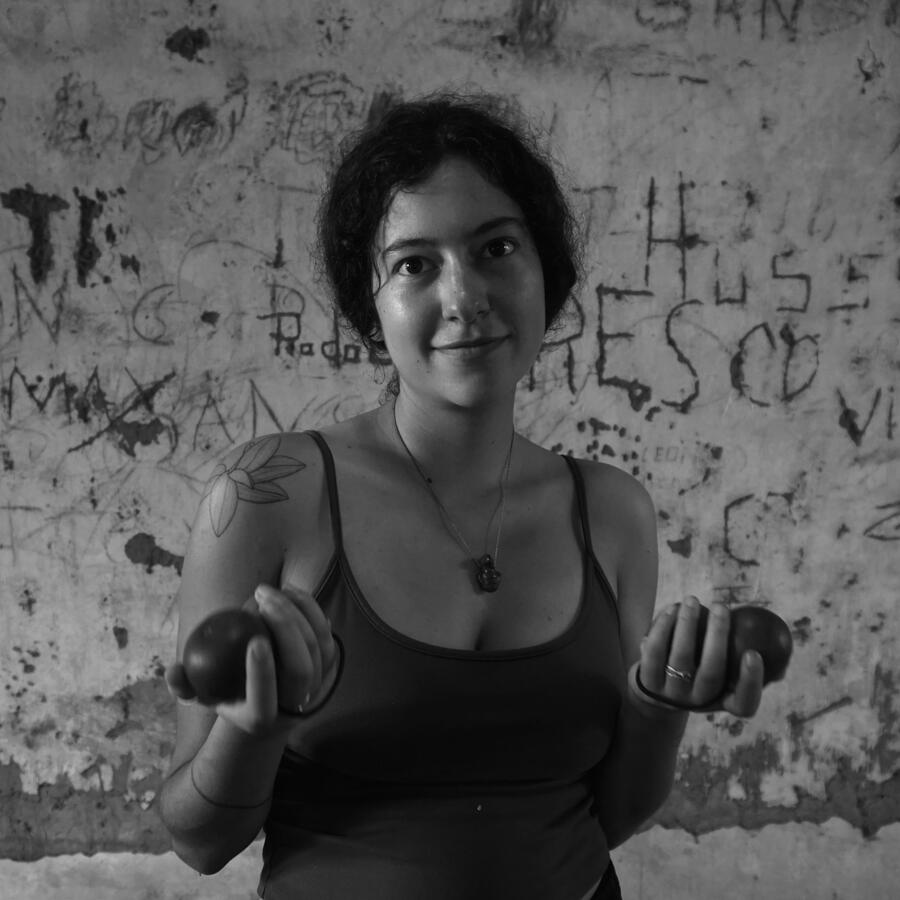
Sara Lewis Viveros
Linguist, musician and translator. She has worked on the protection and revitalization of Indigenous languages in the Colombian Amazon and currently focuses on music-making and research into sound as a fundamental and transformative component of ecosystems. She is part of Ondanza, a collective initiative promoting community radio, leads collaborative creative processes, and maintains a decentralized and accessible music education space where people can work together in the care of life rather than for profit. Sara studied Languages and Cultures at the Universidad de Los Andes, Bogotá, Colombia, and has engaged in multiple creative workshops focused on coreography, rhythm, film and music. She is currently working in her first music album, and all the creative, lyrical and sonic composition is made by her. Sara is from Colombia and the U.S., and currently based in Bogotá.
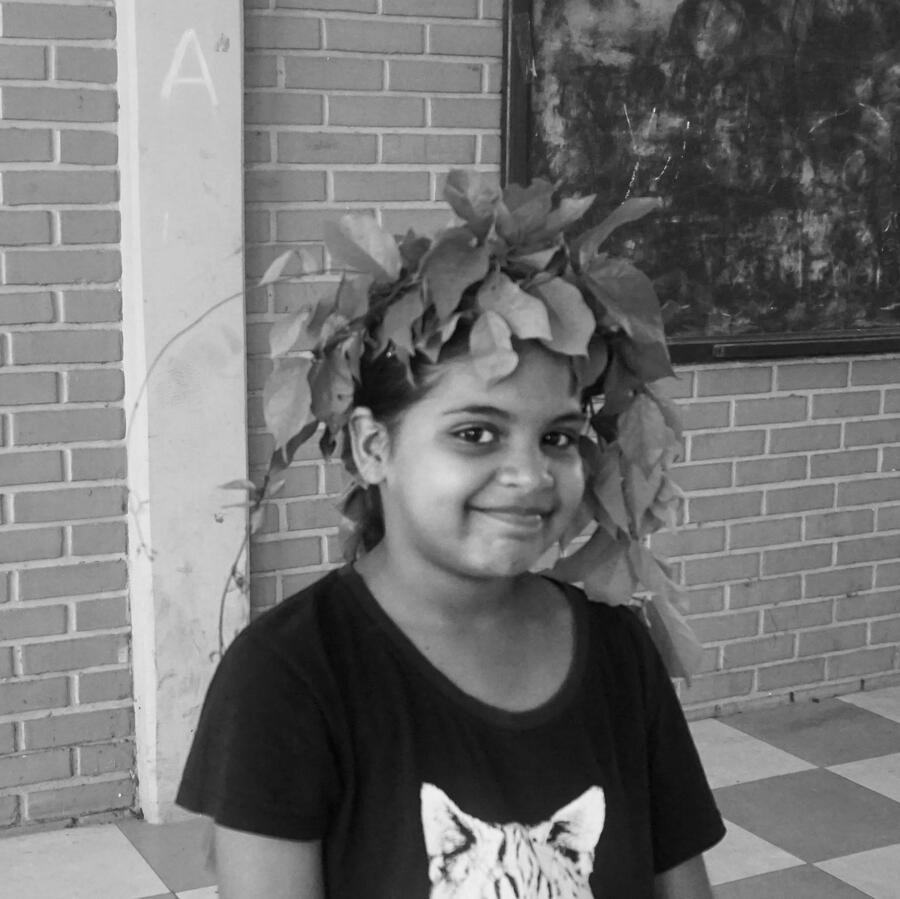
Dayane Castro
Dayane is nine years old and was born in Guajará-Mirim, Rondônia, in the Brazilian Amazon. She currently lives in Cachuela Esperanza with her mother, where she attends the Judith de Suárez School. She enjoys drawing, reading, playing, and eating the many fruits that grow near her home, such as mango, grapefruit, and pacay. She has a remarkable talent for telling stories about her dreams, thoughts and memories, and her everyday life.
Zaroly Saavedra
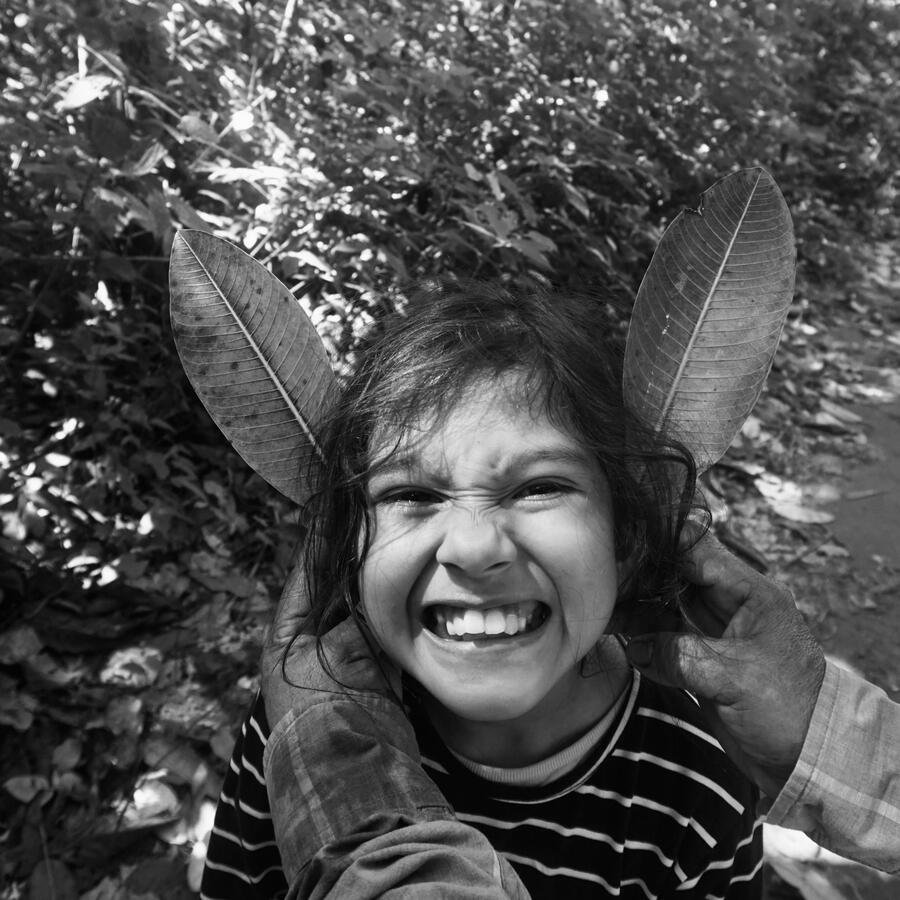
Zaroly is an expert gardener who lovingly cares for the plants growing in her mother’s home, and does not get tired of sharing her tenderness. She was born in Riberalta, Beni, in the Bolivian Amazon. She is eight years old and enjoys collecting stones, seed and roots and painting them afterwards; she is also an excellent tree climber. She loves dancing and singing what she calls “nonsense songs.” She is Zandra Loayza’s daughter, and therefore she knows how to ask permission whenever she takes anything from the land.
Abigail Muiba
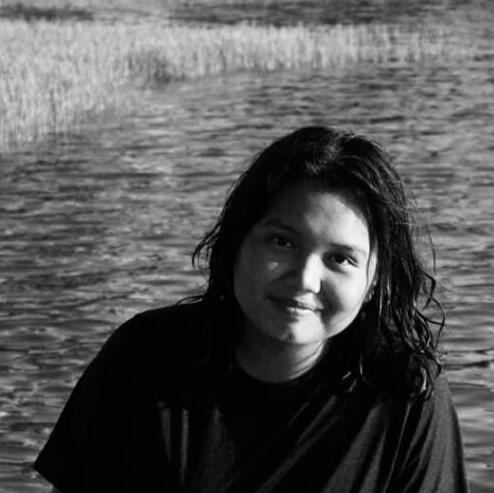
Born in 2006 in San Ignacio de Moxos, Abigail grew up in the communities of Santa Rita and San Juan del Cuberene, Beni, in the Bolivian Amazon. Her main places of learning have been her territory, her family, and the relationship with nature that she learned to cultivate. One of her most important experiences took place in 2024, when she left her community for the first time to share the realities faced by families after wildfires affect their crops, through her work in the exhibition Aquí ya no amanece [Dawn does not come here anymore], presented at Fundación Patiño in the city of La Paz. In 2025, she traveled to Colombia to participate in the Ecofeminist Camp in Latin America, where she shared the experiences and concerns affecting her territory. Her main teachers have been her grandmother, Victoria Inchu, and the women and knowledge keepers of her communities, who taught her to value her roots and wisdom, as well as the importance of caring for and defending nature. Alongside them, she learned that the knowledge of Indigenous peoples is passed down from generation to generation, and that her voice deserves to be present in spaces where decisions are made. Currently, through Jasy Renyhê, she participates in initiatives related to territorial defense, cultural practices, and climate action.
Nohely Guzmán
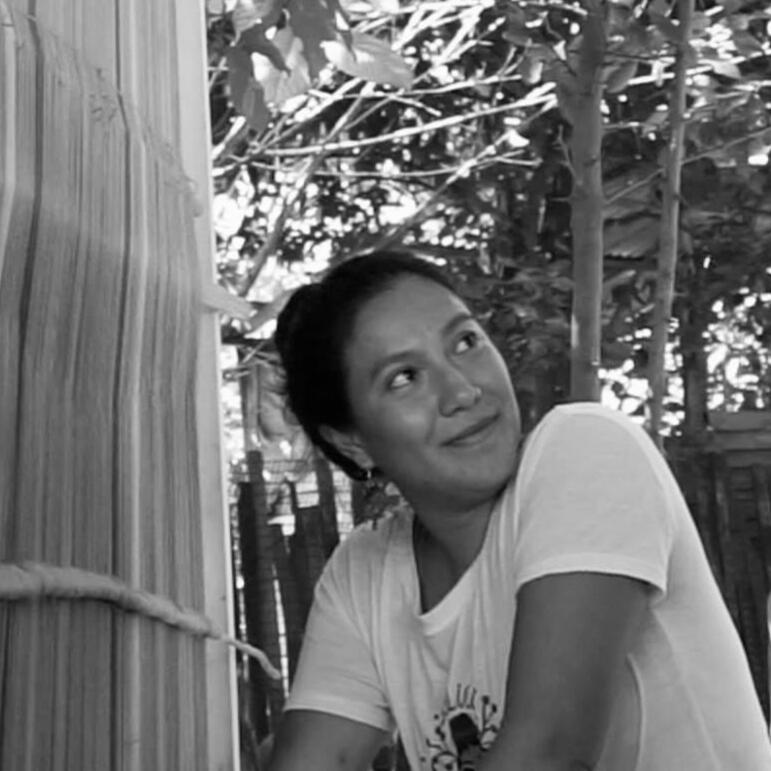
Nohely is an anti-colonial scholar, community organizer, and educator, working at the intersection of Indigenous self-determination, ancestral knowledge systems, and the territorial politics of care that sustain worlds otherwise in the Bolivian Amazon. She earned her PhD in Geography from the University of California, Los Angeles (UCLA), and serves as a Postdoctoral Researcher in Native American and Indigenous Studies and in the Department of Geography & the Environment at the University of Texas at Austin. Her transdisciplinary work, grounded in long-term practices of knowledge co-production, moves across Indigenous feminisms, care ecologies and multispecies liberation, and more recently, Indigenous geodata sovereignty for land reclamation. Nohely’s work builds on a decade of close collaboration with communities of the Multi-ethnic Indigenous Territory (TIM) in Bolivia. Across initiatives, Nohely’s work foregrounds relational meaning-making of dignified life in and with the rainforest, attending to ancestral medicinal preparations with healers, affective body-mapping of cuerpo-territorio with women and girls, letter-writing against colonial forgetfulness, and sound- and memoryscapes, while also accompanying the institutional processes surrounding the formation of the first Indigenous autonomous government in Bolivia’s Amazonia. Nohely is the general coordinator of the feminist collective Jasy Renyhê.
Paola Lambertín
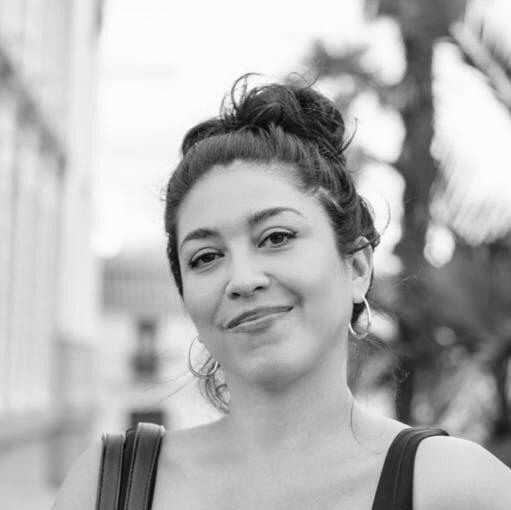
Bolivian photographer, visual artist, and art director based in Mexico City. With more than fifteen years of international experience, she has developed a practice that connects artistic creation, editorial photography, advertising, and audiovisual production. Her artistic work explores the body, memory, migration, spirituality, and Andean worldviews from a feminist, intercultural, and decolonial perspective. Her main series include Diosas del Ukhu Pacha, Wiñay, Kay Pacha, Hacia Adentro, and El equipaje de las mariposas. Her work has been exhibited at art spaces and events such as Centro de la Imagen (CDMX), Somerset House (London), Praxis Gallery (Minneapolis), El Ojo Salvaje (Asunción), and the Centro Cultural de España in La Paz. Her recognitions include first place in the Iber-rutas competition (2021), being a finalist in the Sony World Photography Awards, and first place in Letras e Imágenes del Nuevo Tiempo (Bolivia). As a member of the Warmi Photo collective, she received the E-CO22 production grant. In 2023, she was selected by EXPYLAB in Paraguay, invited to Les Rencontres de la Photographie in Marrakech, and won the “Hábitat” open call by Fotógrafas Latinoamericanas to exhibit her work in London.
Natalia Serrano
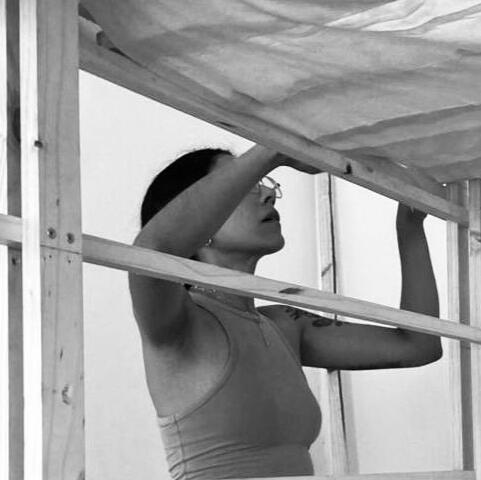
Bolivian architect and artist whose practice unfolds between architecture and the visual arts. Through drawing, urban culture, and craft, she explores collective forms of creation. Her training and experience in architecture and construction inform a practice that takes the form of visual essays, publications, sculptures, installations, and spatial devices. Since 2021, she has been part of Imaginarios Arquitectónicos [Architectural Imaginaries], a collaborative research collective that fosters projects to critically engage within the public space in Bolivia. Independently, she has initiated projects such as Retama, a manual and artistic publication created together with the pastilleras—women who sell food in the historic center of the city of Sucre—that brings together knowledge, memories, and tools to dignify street-based work. Within interdisciplinary collaborations, she has worked with artist Ariel Byía and Uru-Chipaya musician Germán Lázaro on the sculptures La Cuchara del Viento (2024) and La Casa del Viento (2026), developed between Bolivia and Chile.
At the heart of our work is the creation, accompaniment, and strengthening of spaces that sustain the joyful, dignified, and pleasurable lives of women, adolescents, and girls, particularly in the Bolivian Amazon and forest territories. In practice, this means walking alongside them at their own pace and within their own spaces, listening attentively to their concerns, pains, and desires. We weave our work toward forms of solidarity, care, and horizontal collaboration, undoing colonial and rigid ideas of power, control, and knowledge. We build vital networks with the other worlds that have never ceased to exist.

Mutual de Sonidos Comunes is a multidisciplinary initiative offering creative, technical, ethical, and critical accompaniment to sound research projects, primarily in South America. The Mutual goes beyond the recording studio or the simple post-production of sound material. Instead, its work centers on the relational, attentive, and convivial processes that sound, listening, and circulation generate within a specific territory. Based in La Paz, Bolivia, Mutual de Sonidos Comunes draws its collaborative methodologies and ethics largely from Indigenous cosmo-relational practices.
MOTIVATION
We are a group concerned with the lack of ethical and political imagination around the ongoing consequences of the “Era of Terror” during the rubber boom. In Bolivia, there is a form of censorship surrounding this history: the rubber legacy is celebrated as an icon of progress, while the preserved public memory remains rooted in extraction and dispossession.We believe audiovisual work can become a transformative space for awakening possibilities and nurturing collective conversations. The process of making this film allows us to embrace the experience of collaborative learning as we explore futurities that do not reduce life to a source of profit. We seek to move human spirits through our work with the wisdom of children and some Amazonian plants, as we ask ourselves:What futures are born among the ruins of a system that sees in bodies and territories nothing but exploitation?We work in Cachuela Esperanza—icon of Bolivia’s rubber boom history—to listen to the voices that continue singing and unlearning the gaze that sees living beings as profit and accumulation.This film is a playful offering to the families who defend the practices that foster respect and solidarity. We give thanks to the people who continue to teach us the strength needed to care for the health of our existences; and we are grateful to the water, fruits, humidity, and medicinal knowledge that live in the midst of the shade of Amazonian trees, cooling us against bodily and spiritual heat.
CREATIVE RESEARCH
Drawing on relational film practices and collaborative research, The Ruin Eaters grows from an attentiveness to the events and perspectives that have emerged through our encounters and the relationships we have been building and sustaining in Cachuela Esperanza.Our creativity asks if the past actually wants to be forgotten, so that other stories may come into being; vegetal, animal, and aquatic stories that whisper: we deserve to be born, to live freely, and to be cared for! Humor, absurdity, and surrealist gestures are the paths through which we intervene in and reinvent oral memories, ethnohistorical work, and contemporary realities. We have encountered and listened to these throughout three years of research that sustains the development of this project.While we seek to critically engage with the cruelty that constituted the rubber industry and the extractivist legacy it established—the myth of wealth through dispossession—this project does not center its narrative solely on this history. Instead, it explores local creative expressions that experience humor and respect as forces that refuse to let violence become the norm by which social life is organized.We believe that art in general, and cinema in particular, find their power in taking care of the collaborative practices that lie behind the finished work. That is why we praise a collective imagination nourished by the joyful insights and ways of living of some children, as well as by the plant-based knowledge safeguarded by Zandra Loayza, an Amazonian leader and artisan.Through laughter and remedies, we engage in critical conversations about the ghosts that continue shaping violent worlds in the region. We explore choreographies through our work and dialogue with plants whose roots, bark, and stems produce fertility medicines, and with the leaves of healing trees. Moreover, the dreams, games, attitudes, conflicts, and thoughts we witness alongside the children—emerging through acting practices, storytelling, and explorations of the territory—are crucial to this project.
SUPPORT THE FILM
Our script is ready: open, experimental, and alive to the possibilities that emerge along the way. We would be delighted to share it with those who wish to join us in bringing this dream to life.The Ruin Eaters is currently seeking financial support. Whether you are a production company, art institution, business, social organization, or individual, if you would like to support the film and become part of this project, please feel free to get in touch:
[email protected] | [email protected]
+591-69696734